Sea freight

Sea freight solutions for businesses importing from China.

We coordinate sea freight shipments from China for importers, wholesalers, brands and growing businesses. From LCL consolidation to full container shipping, we help plan cargo arrangements, compare shipping options and coordinate the process from origin to destination.

Whether you are shipping commercial goods, furniture, consumer products or pet supplies, we review your shipment requirements before booking.

Why sea freight

A practical choice for larger and planned shipments.

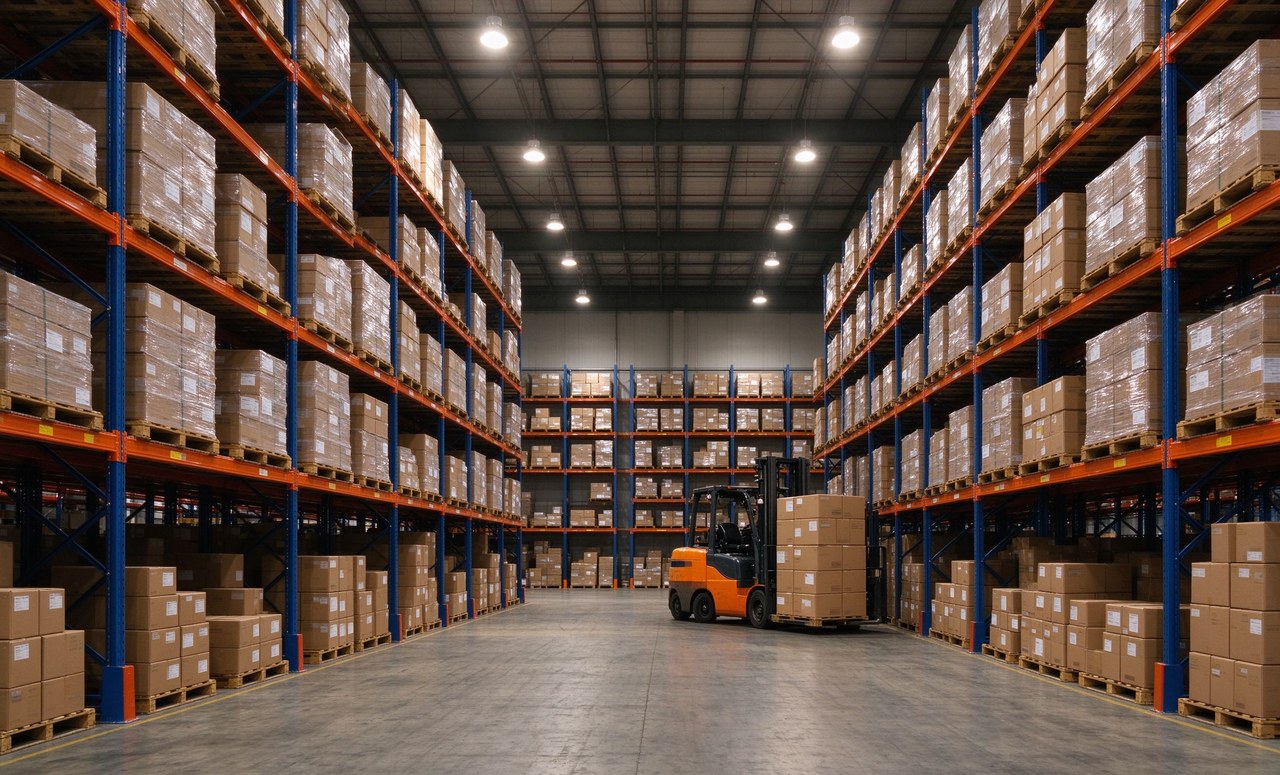
Pallets of export cartons on warehouse racking with a forklift in the aisle

Sea freight is often a cost-effective option for businesses moving larger volumes of goods from China. It works well for planned inventory, bulk orders, regular replenishment and products where delivery time is more flexible.

Compared with air freight, ocean shipping generally offers a lower transportation cost for larger shipments, although transit time is longer and the total cost depends on the cargo, route, handling and destination charges.

We review your shipment volume, carton dimensions, cargo type and destination to help compare suitable shipping arrangements before booking.

Air Freight from China →
Other services alongside ocean freight? We also coordinate Express Shipping for small or urgent shipments and Amazon FBA Shipping for inbound deliveries to fulfilment centres. Contact Our Team with your shipment details and we will review the available options.

LCL vs FCL

Choose the container option that fits your shipment.

The right shipping method depends on your cargo volume, shipment schedule, handling requirements and total logistics cost.

Less than Container Load (LCL)

LCL is suitable for smaller shipments that do not require a full container. Your cargo shares container space with shipments from other businesses, making it a practical option for smaller orders, mixed cargo and early-stage imports.

Full Container Load (FCL)

FCL is suitable when your shipment requires a dedicated container. It is commonly considered for larger orders, regular inventory replenishment and cargo that benefits from fewer shared handling steps.

ComparisonLCLFCL
Suitable volumeShipments that do not require a full container20GP, 40GP, 40HQ and 45HQ containers for larger orders
Container spaceShared with other shipmentsDedicated container
Cost structureUsually based on chargeable volume or weight and applicable handling chargesBased on container type and applicable shipping charges
Typical useSmall orders, trial imports and flexible inventoryBulk orders and regular inventory
Main considerationConsolidation, handling and deconsolidationContainer utilization, equipment type and total cost

How charges are calculated: For LCL shipments, freight charges are commonly calculated using weight or measurement (W/M), depending on the applicable rate rules. For FCL shipments, costs are generally based on the container type and agreed shipping charges.

About container sizes: FCL equipment starts with a 20GP container, which handles roughly 28 CBM. A 40GP handles roughly 48 CBM, a 40HQ roughly 68 CBM and a 45HQ up to about 76 CBM. Shipments that do not fill a 20GP are usually compared with LCL, and around 12–15 CBM is still worth checking against a 20GP rate. The more economical option depends on the route, origin and destination charges, cargo characteristics and current shipping quotations.

Shipment checks

What we review before cargo moves.

Cargo type and packaging

Product type, packaging materials, carton dimensions and handling requirements are reviewed before booking. Certain cargo categories may require additional checks or documentation.

Wood packaging

Solid wood packaging used in international shipments may be subject to ISPM 15 requirements, depending on the packaging type and destination regulations. Requirements should be checked before export.

Batteries and electronics

Battery-powered products and electronic goods may require specific classification, documentation and shipping arrangements. Cargo details should be confirmed before booking.

Food and regulated products

Food, supplements and other regulated products may be subject to destination-specific import rules, permits, certificates or labelling requirements. Requirements should be checked before shipment.

Pet product shipping from China

We also pay particular attention to pet product shipments, including pet furniture, cat trees, beds, feeders, accessories and other related goods. Product materials, packaging, dimensions and destination requirements should be reviewed before booking.

How it works

Seven steps from quote to delivery.

Share shipment details

Provide the product description, carton count, dimensions, gross weight, pickup location and destination.

Review cargo requirements

We review cargo type, packaging, dimensions and any special handling or documentation requirements.

Compare LCL and FCL

We review the available shipping options based on your shipment volume, timing and overall cost.

Confirm the quotation

You receive the applicable freight and service charges for review before booking.

Arrange cargo collection

We coordinate cargo collection or warehouse delivery according to the confirmed shipping arrangement.

Coordinate export and ocean transport

Once the shipment is ready and booking details are confirmed, we coordinate the export and ocean freight arrangements.

Follow destination arrangements

The next steps, including customs clearance and final delivery where included, are coordinated according to the agreed service scope.

FAQ

Sea freight FAQ.

How long does sea freight from China take?

Sea freight transit time depends on the destination, vessel schedule, routing, port congestion, customs clearance and final delivery arrangements. As a planning reference, transit on many major routes is around 18–35 days counted from vessel departure. This estimate excludes pre-shipment handling and may vary depending on the destination, routing, vessel schedule and local arrangements. Transit estimates should be confirmed for each route and shipment.

What is the difference between LCL and FCL?

LCL allows your cargo to share container space with other shipments, making it suitable for smaller volumes. FCL provides a dedicated container and is generally considered for larger shipments or cargo that benefits from fewer shared handling steps. The right option depends on shipment volume, route and total cost.

How is LCL sea freight charged?

LCL freight is commonly charged based on weight or measurement (W/M), depending on the applicable rate rules. The chargeable basis is determined using the shipment details and the quotation terms. Origin handling, destination charges and other applicable fees should also be considered.

Which shipping option is suitable for my cargo?

The suitable option depends on your shipment volume, cargo type, packaging, destination and delivery schedule. We can review the shipment details and compare LCL and FCL options before booking.

Can you arrange DDP sea freight?

DDP shipping options may be available for selected destinations and cargo categories. Availability, duties, taxes, customs requirements and final delivery arrangements need to be confirmed for each shipment before booking. See DDP Shipping from China for how the option is quoted.

What information is needed for a sea freight quote?

Please provide the product description, carton quantity, dimensions, gross weight, pickup location, destination country and preferred delivery arrangement. The estimated total volume in CBM is also helpful when comparing LCL and FCL.

Can you ship pet products by sea?

We can review a range of pet product shipments, including pet furniture, cat trees, beds, feeders and accessories. Product materials, packaging and destination import requirements should be checked before booking.

What documents are needed for sea freight from China?

Typical shipping documentation may include a commercial invoice, packing list and transport documents. Additional documents may be required depending on the product, destination, customs requirements and agreed shipping arrangement.

Next step

Send your sea freight details.

Carton count, dimensions, product type, pickup city and destination are enough to compare LCL and FCL.

Your contact: Lynn, Sales Manager

WhatsApp